TWA On Connection
Cities are reflections of human aspiration, dynamic, layered, alive with possibility. They concentrate energy, culture, and ambition into shared space. And yet, in their density, a paradox emerges: proximity alone does not create belonging. Urban life promises encounter, but too often delivers isolation. Digital networks expand without limit, yet genuine human connection grows harder to find. We are surrounded by millions and still, profoundly, alone.
Architecture holds the power to change this. Not through spectacle or signature form, but through something more enduring: the deliberate shaping of the spaces between us. At its highest potential, architecture is not simply the construction of buildings, it is the creation of frameworks for meaningful human exchange.
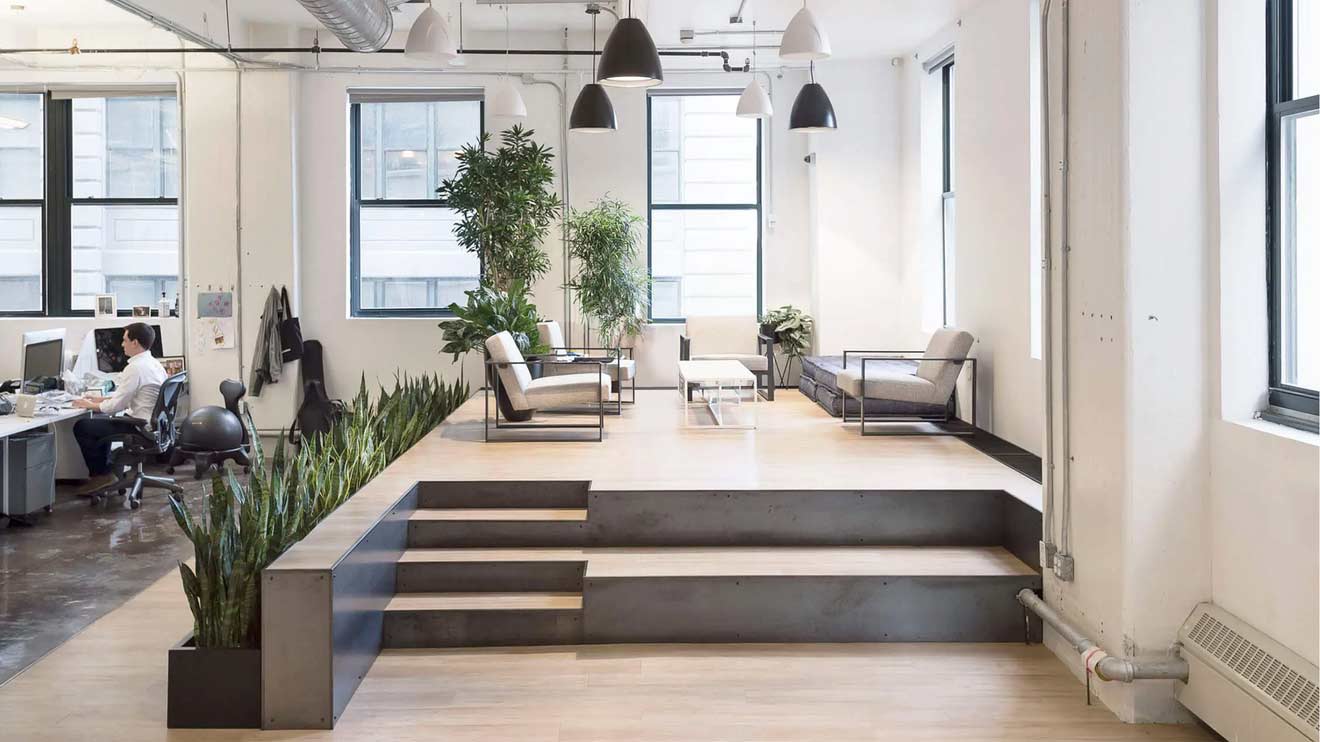
A building is not experienced as an image. It is experienced as a sequence, a movement through space that unfolds in time. Light enters and transforms. Space contracts, then opens to the city. Where paths cross without intention, people pass. Where space is shaped with care, slowing movement, framing a view, offering shelter within openness, people pause, and find one another. Architecture, like music or choreography, shapes experience through sequence, rhythm, and the carefully composed moment of pause.
This understanding carries a profound responsibility. An aesthetically refined building that fails to contribute to collective life remains incomplete. Iconic architecture without meaningful human connection is a missed opportunity. The essential question for design today is not only How will we live? but How will we connect?
Connection does not happen by accident. It happens by design. The spatial conditions that invite spontaneous conversation, that make people want to stay a moment longer than they intended, that allow strangers to become neighbors, these must be consciously invented. This demands more than technical resolution, it demands an architecture that is curious about materials, about how surfaces carry memory and meaning, about how the weight of a wall or the quality of light through a window communicates welcome or indifference. It demands an architecture that is willing to reimagine what a building can be and what it can do for the people who inhabit it.
At TWA, we pursue this potential in every project. We design spaces that respond not just to form, but to the deeper forces shaping human life, to site, to culture, to the social and civic aspirations of the communities we build for. We seek an architecture that is inventive without being arbitrary, materially honest and spatially generous, grounded in place and open to the future.
We believe architecture can, and must, offer bold answers to the conditions of contemporary urban life. Answers that will look different on every site, in every city, for every community we serve. At TWA, we design spaces that embody the possibility and optimism inherent in a simple, yet profound question:
How will we connect?

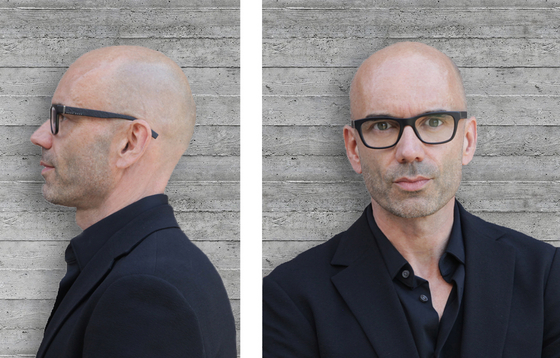
Tom Winter
R.A. Principal Architect
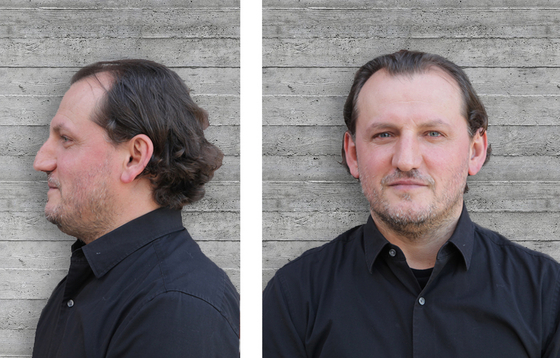
Mentor Noci
Senior Associate
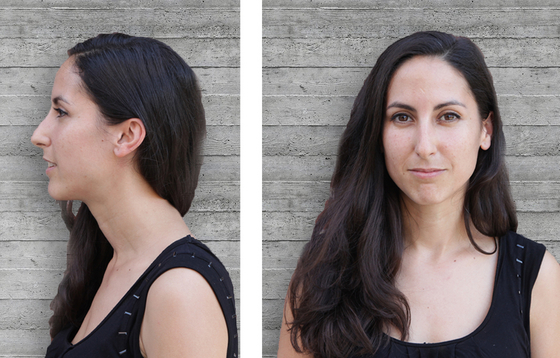
Irene Galvez
Senior Architect
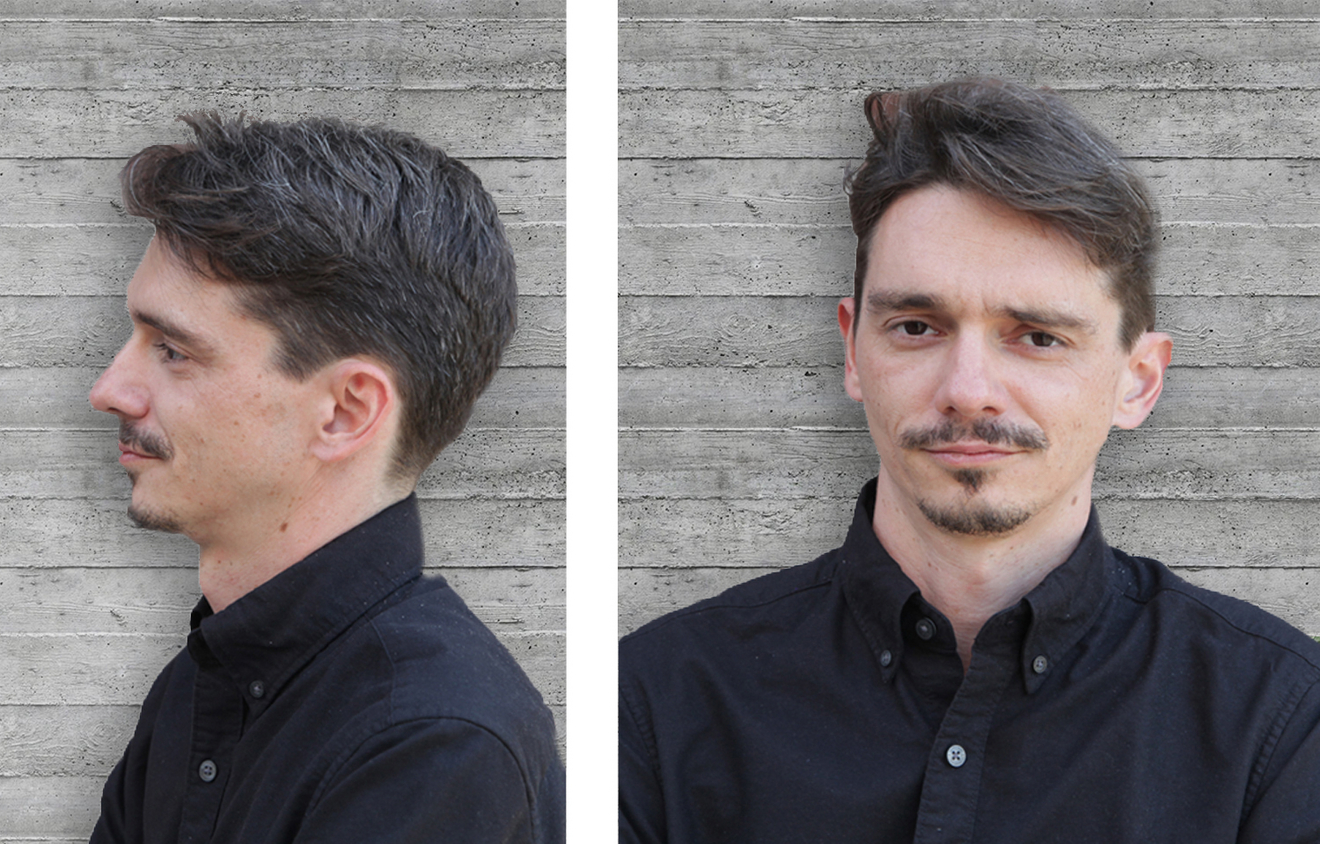
Christopher Pounds
Project Architect
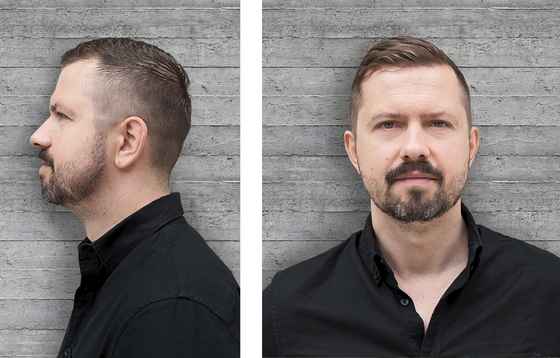
Greg Hajdo
Senior Architect
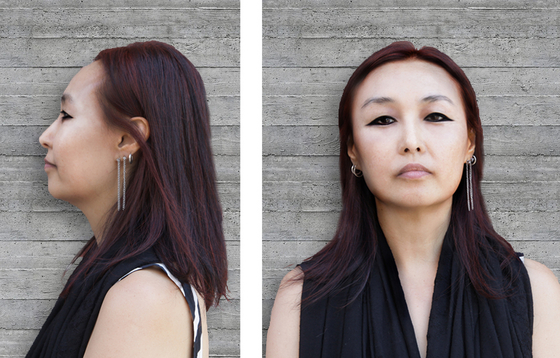
Eunmee Hong
Project Architect
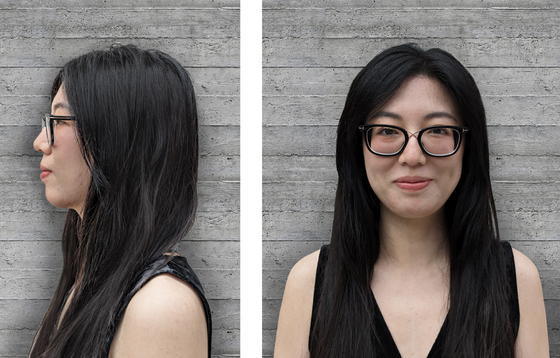
JunHui Li
Project Architect
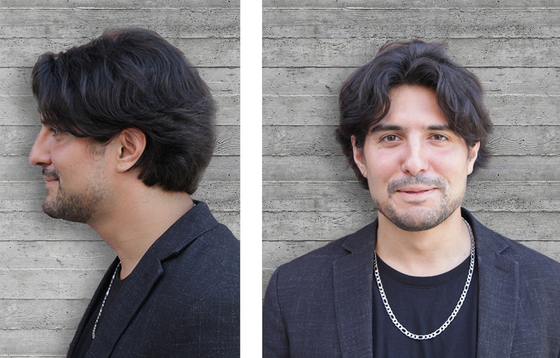
Christopher Parra
Project Architect
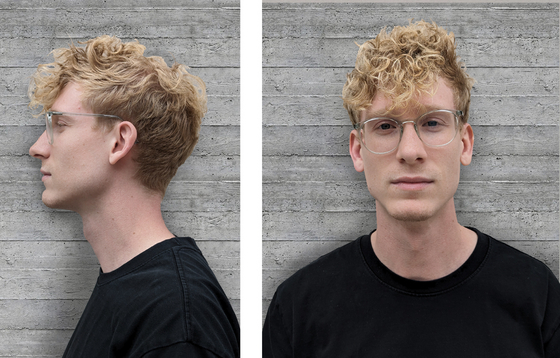
Leo Loewen
Project Architect
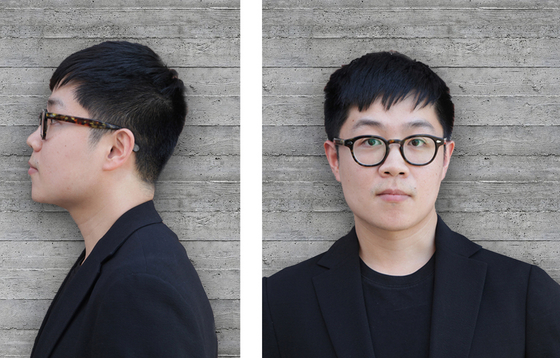
Ben Shuai
Designer
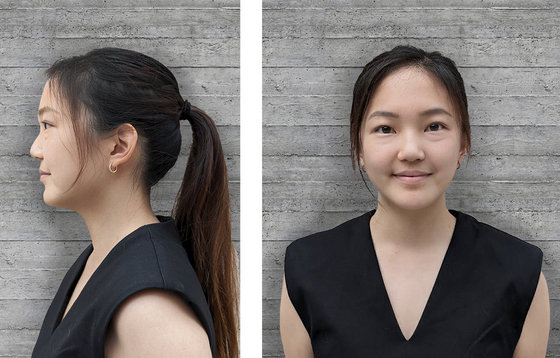
Coco Wang
Project Architect
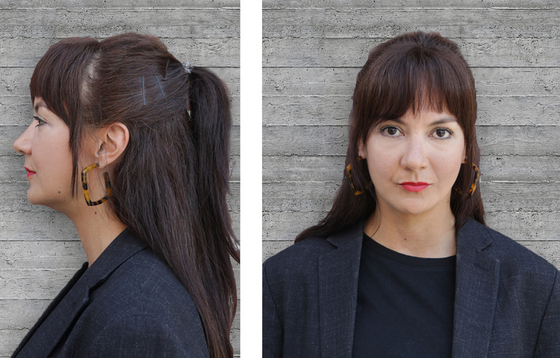
Andrea Isaza
Office Manager